
Regional Varieties Of German Food

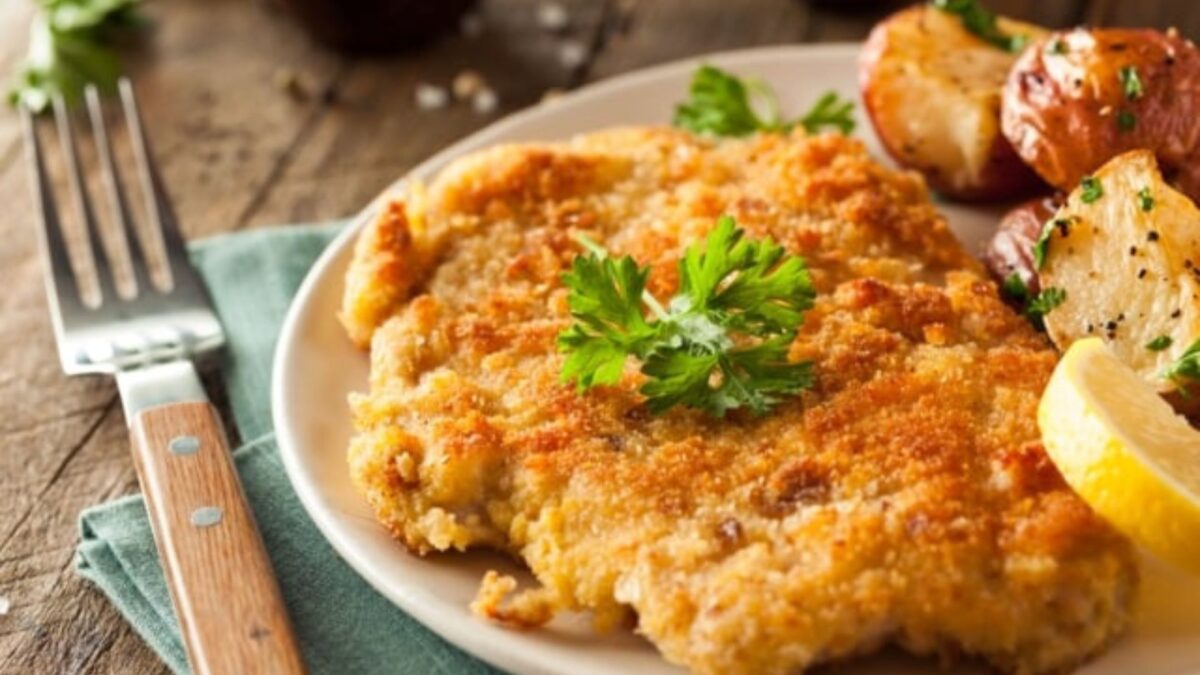
German cuisine is not uniform; each region has its own culinary identity. The regional varieties of German food reflect history, climate, and local ingredients. From hearty Bavarian meals to lighter northern dishes, each area offers unique flavors. Exploring these regions allows you to experience Germany’s culinary diversity firsthand.
Bavaria – Rich and Hearty Flavors
Bavarian cuisine is known for its robust, filling dishes. Sausages, pork knuckles, and dumplings are common, often accompanied by creamy sauces or tangy cabbage. Iconic dishes include Weisswurst, Schweinshaxe, and Obatzda cheese spreads. Moreover, Bavarian beer culture complements the food perfectly, making meals both flavorful and festive.
Baden-Württemberg – Fusion of Tradition and Refinement
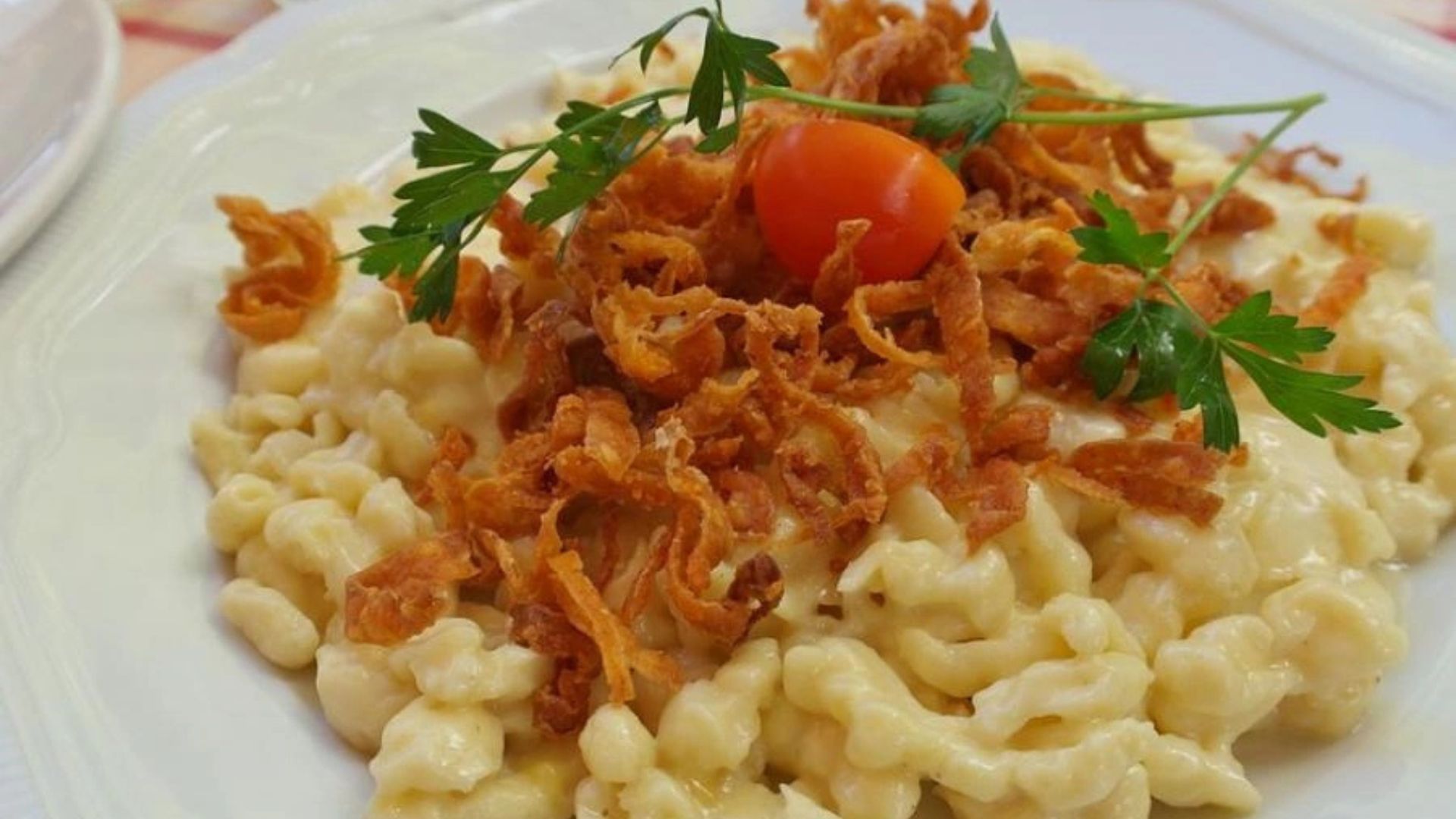
In Baden-Württemberg, cuisine balances hearty meals with finesse. Swabian specialties like Maultaschen (stuffed pasta pockets) and Spätzle (soft egg noodles) are staples. Additionally, this region emphasizes fresh, local ingredients such as game, mushrooms, and seasonal vegetables. The culinary style reflects both rustic tradition and modern innovation.
Northern Germany – Light and Seafood-Focused
The northern coastal regions feature lighter fare and seafood dishes. Herring, cod, and shrimp are widely used, often served pickled or smoked. Dishes like Labskaus and Pannfisch showcase the maritime influence. Furthermore, potatoes and rye bread remain staples, providing a filling base for the simpler, coastal cuisine.
Rhineland – Sweet and Savory Mixes
Rhineland cuisine combines rich meats with sweet elements. Sauerbraten, a marinated pot roast, is often served with raisins or sweet-and-sour sauces. Additionally, potato-based dishes and hearty soups are popular. Wine from the Rhine valley complements meals, creating a balance between flavors and beverages.
Saxony and Eastern Germany – Pastry and Comfort Foods
Eastern Germany focuses on pastries, stews, and comfort foods. Dresdner Stollen, a fruit-filled bread, is a signature dessert. Meanwhile, potato dumplings and sauerbraten remain popular. The cuisine reflects historical influences from Poland and the Czech Republic, creating unique textures and flavors.
Franconia – Regional Specialties in Bavaria
Franconia, a northern Bavarian region, offers distinctive sausages, smoked meats, and baked goods. Franconian bratwurst is famous, often served with sauerkraut and mustard. The region also produces fine beers and wines, highlighting the pairing of local beverages with hearty dishes.
Hesse – Sausages and Apple Wine
Hessian cuisine is recognized for its sausages and apple wine. Dishes such as Handkäse mit Musik (cheese with onions and vinegar) and Grüne Soße (green herb sauce) are regional favorites. These recipes highlight local ingredients while showcasing traditional cooking methods that remain popular today.
Conclusion
The regional varieties of German food reveal a rich culinary tapestry shaped by geography, history, and culture. From Bavaria’s hearty meats to northern Germany’s seafood and Saxony’s pastries, every region offers unique tastes. Exploring these differences allows food lovers to experience Germany in depth, appreciating the diversity and tradition behind each dish
