
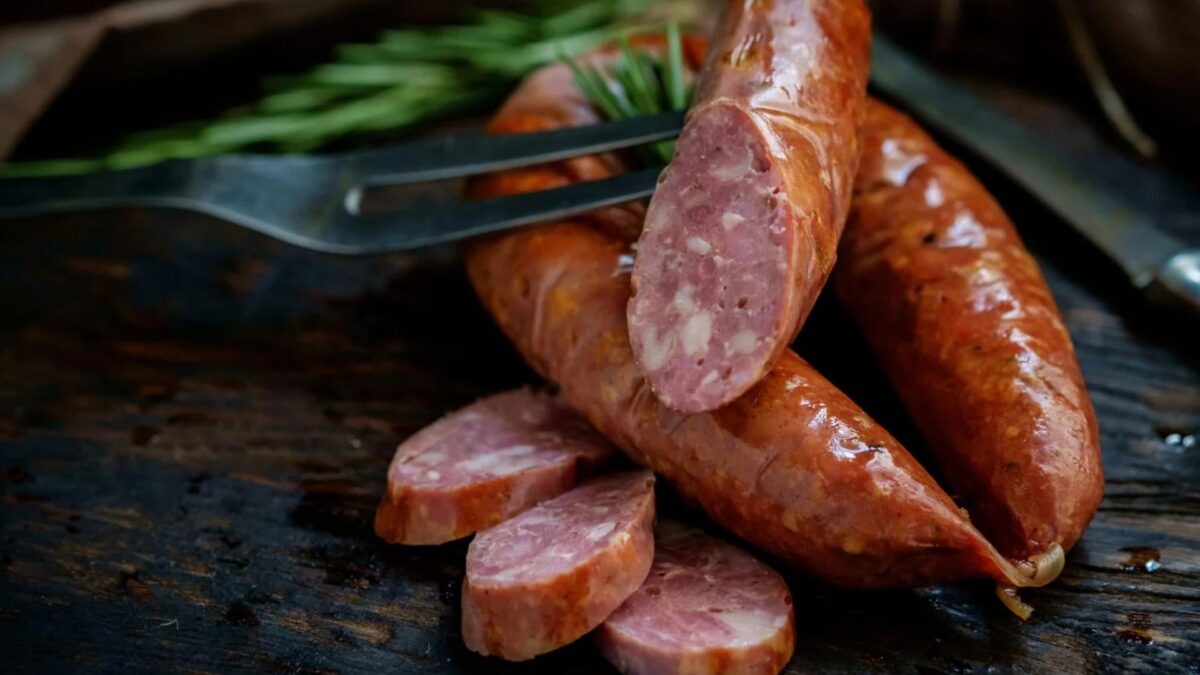
How to Make Authentic German Sausages

German sausages, or Würste, are legendary for their rich flavors, perfect texture, and cultural significance. Learning how to make authentic German sausages lets you bring a true taste of Germany into your kitchen. Whether you want bratwurst, bockwurst, or knackwurst, mastering the art of sausage-making involves choosing quality ingredients, using traditional spices, and following precise preparation methods. This guide will walk you through how to make authentic German sausages with confidence and care.
Understanding German Sausages: A Delicious Variety
Germany boasts hundreds of sausage varieties, each with unique flavors and textures. Some popular types include bratwurst—grilled or pan-fried sausages made from pork, veal, or beef; bockwurst—a mild sausage flavored with parsley and white pepper; and knackwurst—a smoked sausage with garlic and spices. All these sausages share a commitment to quality meat, fresh seasonings, and traditional casing methods. Before learning how to make authentic German sausages, it helps to decide which style you want to create.
Essential Ingredients for Authentic German Sausages
Authentic German sausages rely on fresh, high-quality ingredients to achieve their signature taste. The main components include:
-
Meat: Pork is the most common base, often mixed with veal or beef. Use cuts with a good balance of lean meat and fat (around 70% lean, 30% fat) to ensure juicy sausages.
-
Casings: Natural casings, typically made from cleaned pig intestines, give sausages their classic snap and texture. You can buy these at specialty stores or online.
-
Spices and Herbs: Traditional seasonings vary by sausage type but often include salt, white pepper, nutmeg, marjoram, garlic, and sometimes coriander or caraway.
-
Ice or Cold Water: Keeping the meat cold is crucial during preparation to maintain texture and safety.

Step 1: Preparing the Meat Mixture
Begin by trimming excess sinew and gristle from your meat cuts. Cut the meat and fat into small cubes and chill them thoroughly. Cold meat grinds better and keeps the mixture from warming, which can affect texture and safety. Next, grind the meat using a coarse or medium grinding plate depending on the sausage style. For bratwurst, a medium grind works well to balance texture and bite.
Once ground, mix the meat with your spices and a pinch of salt. Add crushed ice or cold water slowly while mixing to keep the mixture moist and ensure even seasoning. Use your hands or a stand mixer with a paddle attachment to blend everything until it forms a sticky, uniform paste. This step is essential for authentic German sausages, giving them their distinctive texture.
Step 2: Stuffing the Sausages
After preparing the meat mixture, rinse your natural casings thoroughly in cold water. Slide them onto the sausage stuffer’s nozzle or a funnel if you’re stuffing by hand. Slowly feed the meat mixture into the casing, being careful not to overstuff, which could cause bursting during cooking. Twist the sausages into links of your desired length, typically 4 to 6 inches for German sausages.
Authentic German sausages are tightly packed but still allow a slight snap when bitten. Proper stuffing takes practice but greatly affects the final product’s quality.
Step 3: Cooking and Storing Your Sausages
Most German sausages are either grilled, pan-fried, boiled, or smoked depending on the type. For bratwurst, poach the sausages gently in water or beer at about 160°F (70°C) until cooked through, then finish by grilling or pan-frying to develop a flavorful crust.
If you made smoked varieties like knackwurst, follow traditional smoking methods for best results, either with a home smoker or by buying pre-smoked casings.
Fresh sausages can be refrigerated for up to two days or frozen for longer storage. Always cook sausages thoroughly before eating to ensure food safety.
Tips for Perfect Authentic German Sausages
-
Keep all equipment and meat cold throughout the process to maintain texture and safety.
-
Experiment with spice blends to replicate regional variations—Bavarian sausages tend to be mild, while Thuringian varieties might include stronger seasonings.
-
Use a meat thermometer when cooking to avoid undercooking or drying out your sausages.
-
Try making smaller batches first to practice stuffing and seasoning before scaling up.
Conclusion: Bringing German Tradition to Your Kitchen
Learning how to make authentic German sausages connects you with centuries of culinary tradition and gives you delicious results to share. With fresh ingredients, careful seasoning, and proper technique, you can craft bratwurst, bockwurst, knackwurst, and more that rival your favorite German butcher’s. Whether you’re grilling at a backyard BBQ or preparing a festive German feast, homemade sausages add an extra layer of flavor and pride to your meals.
