

Famous German Beers and What to Pair Them With

Germany has a long and proud brewing tradition, producing some of the world’s most iconic beers. From crisp lagers to rich dark ales, each style has unique flavors that pair perfectly with traditional German dishes. Whether you’re enjoying a casual meal or hosting a German-themed dinner, knowing which beer complements your food can elevate the experience.
Classic German Beer Styles
Pilsner (Pils)
Pilsners are pale, crisp, and lightly hoppy beers. Originating from northern Germany, they are refreshing and easy to drink.
Pairings:
-
Light salads and seafood
-
Grilled chicken
-
Soft pretzels with mustard
Weizenbier (Wheat Beer)
Weizenbier, or wheat beer, is cloudy with a fruity and spicy aroma. It’s traditionally brewed in Bavaria and has hints of banana and clove.
Pairings:
-
Weisswurst (white sausages)
-
Mild cheeses
-
Light seafood dishes
Kölsch
Kölsch is a pale, slightly bitter beer from Cologne. It’s smooth, clean, and ideal for casual drinking.
Pairings:
-
Sausages and cold cuts
-
Potato salad
-
Grilled vegetables
Märzen (Oktoberfest Beer)
Märzen is a medium-bodied amber lager traditionally brewed for Oktoberfest. It has a malty sweetness balanced with moderate hops.
Pairings:
-
Roast pork or pork knuckle
-
Sauerkraut
-
Pretzels and hearty breads
Dunkel (Dark Lager)
Dunkel is a dark, smooth lager with caramel and chocolate notes. It’s popular in southern Germany, especially Bavaria.
Pairings:
-
Smoked sausages
-
Roasted meats
-
Rich stews
Bock
Bock beers are strong lagers with a sweet, malty profile. They come in light, dark, and seasonal variations.
Pairings:
-
Braised meats
-
Roast beef or lamb
-
Dark chocolate desserts
Berliner Weisse
Berliner Weisse is a tart, low-alcohol wheat beer from Berlin. It’s often served with flavored syrups like raspberry or woodruff for added sweetness.
Pairings:
-
Light salads
-
Seafood dishes
-
Fruity desserts
Tips for Pairing German Beers
-
Match intensity with intensity: Pair light beers with delicate dishes and strong beers with rich or spicy foods.
-
Complement flavors: Match the beer’s notes with the food — for example, malty beers with roasted meats or citrusy beers with seafood.
-
Consider regional pairings: Traditional German dishes often pair best with local beers from the same region.
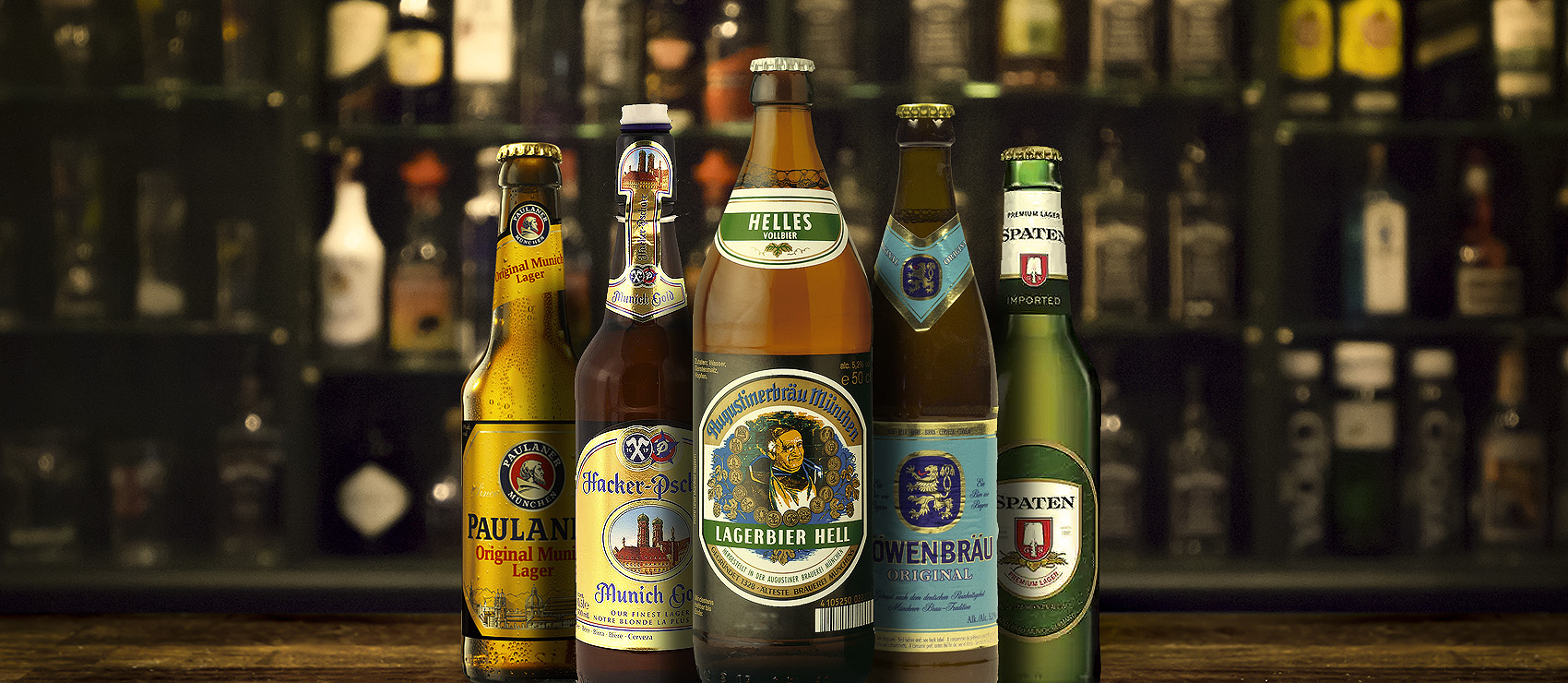
Hosting a German Beer Tasting
To host an authentic experience:
-
Offer a variety of beer styles to showcase differences in flavor and color.
-
Provide traditional German snacks like pretzels, sausages, cheeses, and pickles.
-
Explain each beer’s origin, flavor profile, and suggested food pairing to guests.
Conclusion
German beers are diverse, flavorful, and deeply tied to the country’s culinary traditions. From crisp Pilsners to malty Bocks, each beer offers a unique experience when paired with the right dish. Whether you’re enjoying a casual meal, celebrating Oktoberfest, or hosting a themed dinner night, selecting the right German beer can make every bite and sip more memorable.
