
How German Clubs Preserve Culture Across Generations

German clubs have played a key role in preserving and passing down cultural traditions from one generation to the next. Whether located in Germany or among German communities abroad, these clubs help keep the German language, customs, food, and music alive. They also serve as a strong link between the past and present, helping young people understand their roots and feel proud of their identity.
A Place to Celebrate Traditions
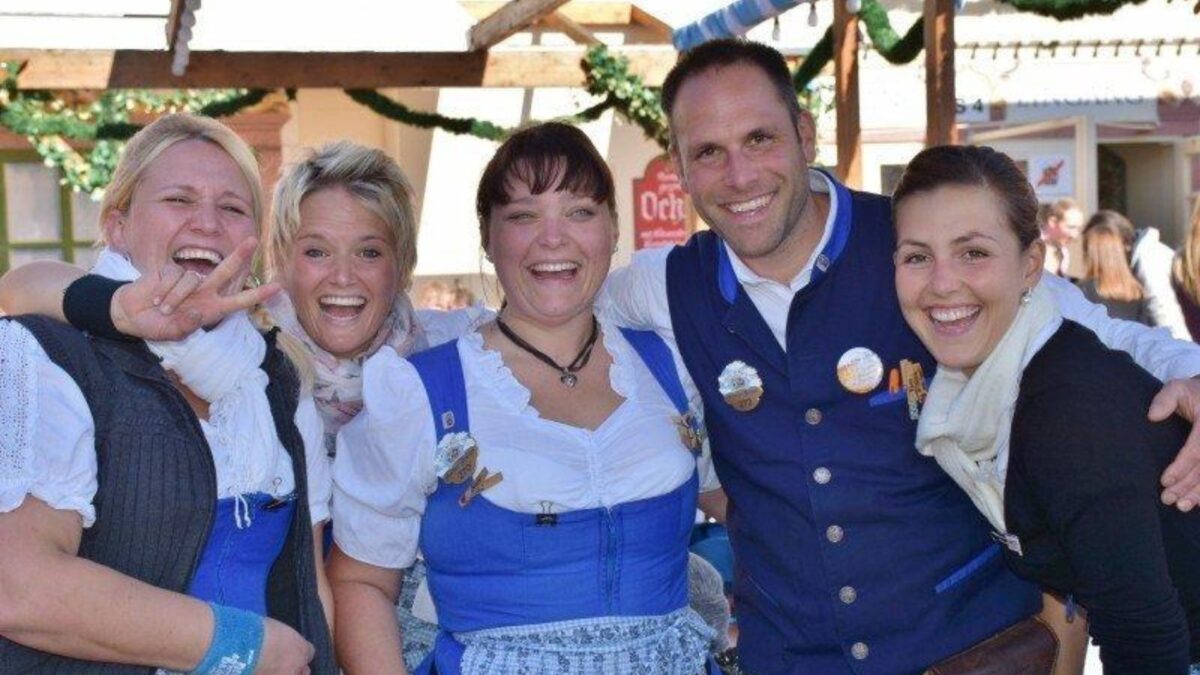
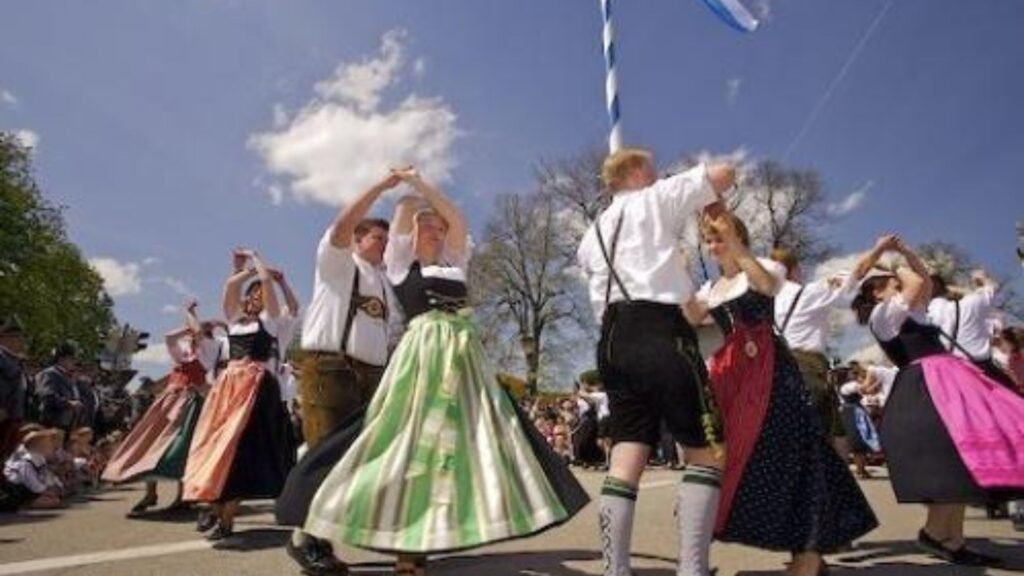
One of the main ways German clubs preserve culture is through traditional celebrations. These include annual events such as Oktoberfest, Karneval, Christkindlmarkt (Christmas markets), and Maifest. These festivals are more than just fun gatherings. They are moments to wear traditional clothing like lederhosen and dirndls, eat authentic food such as bratwurst and sauerkraut, and dance to folk music.
By organizing these festivals year after year, clubs ensure that the younger generation experiences and understands the value of these traditions. They also invite the broader community, helping share German culture with others.
Teaching the German Language
Language is a big part of any culture. German clubs often offer language classes for children and adults. These classes go beyond grammar—they teach songs, stories, and idioms that are unique to the German-speaking world.
Many clubs also organize reading groups or storytelling events in German. For children, this might include puppet shows or fairy tales by the Brothers Grimm. For adults, it might be discussions of German literature or poetry. By keeping the language alive, clubs help young people communicate with older relatives and connect deeply with their heritage.
Promoting Traditional Arts and Music
Music is another vital part of German culture. German clubs often support bands that play traditional folk music, including polka and brass ensembles. Some clubs even have choirs that sing in German.
Dance groups are also popular. Young and old alike learn traditional dances and perform them at club events. These performances help participants develop pride in their heritage while entertaining the audience and teaching them something new.
Clubs may also offer lessons in traditional arts and crafts. These could include woodcarving, embroidery, or making festive decorations for holidays. Hands-on learning like this helps build strong memories and skills that can be passed down.
Keeping the Kitchen Alive
Food is one of the easiest ways to share culture. German clubs often hold cooking classes or potluck meals featuring traditional dishes. Members learn how to make classic recipes like schnitzel, spaetzle, strudel, and more.
These events also give grandparents a chance to cook with their grandchildren, turning recipes into family treasures. By sharing meals and teaching others how to prepare them, clubs help make sure these tastes are never lost.
Building a Strong Community
Beyond events and classes, German clubs build a strong sense of community. They create a space where people of all ages feel welcome. Elders can share stories of life in Germany or of early immigration experiences. Younger members can learn from these stories and form bonds that cross generations.
Many clubs also offer youth programs, leadership roles, and opportunities to volunteer. This helps younger members take pride in the club and take on responsibility for keeping it going. Clubs that succeed in passing on leadership to the next generation are more likely to thrive over time.
Adapting to Modern Times
While keeping traditions alive is important, German clubs also adapt to modern times. They use social media, email newsletters, and websites to reach younger audiences. Some clubs stream their events online or post tutorials for crafts and recipes.
This blend of tradition and technology helps clubs stay relevant and attract new members. It also ensures that the culture continues to grow and change in healthy ways, while staying rooted in history.
Conclusion
German clubs are more than just social groups—they are living bridges between the past and the future. Through festivals, food, language, music, and shared experiences, they preserve German culture for generations. By creating welcoming spaces and involving people of all ages, these clubs help culture not only survive but thrive.
