
Spotlight on Club Members Keeping German Traditions Alive

German-American clubs across the country are powered by passionate members who dedicate their time, energy, and heart to preserving cultural traditions. While festivals and public events often take center stage, it’s the club members behind the scenes who truly keep German heritage alive. These individuals teach, lead, organize, and inspire—often volunteering for years, even decades. In this article, we shine a spotlight on the people who make it all happen.
The Language Teachers
Language is the heart of any culture, and in many German-American clubs, it’s the dedicated language teachers who keep it beating. These members run weekly German classes for children, teens, and adults. Some are retired teachers, native speakers, or second-generation immigrants who grew up speaking German at home.
Their classes don’t just focus on grammar and vocabulary—they bring the language to life with songs, games, and conversations. By teaching others to speak and understand German, they help bridge generations and keep the culture strong.
The Music and Dance Leaders
Every polka played at a festival or traditional dance performed on stage is the result of hours of practice led by talented and passionate members. These leaders guide choirs, folk dance groups, and oompah bands with skill and patience.
They not only teach steps and songs—they explain their meaning and history. They help younger members understand that every move and every note carries tradition. These leaders often start at a young age themselves and become lifelong contributors to the club’s cultural programs.
The Event Organizers
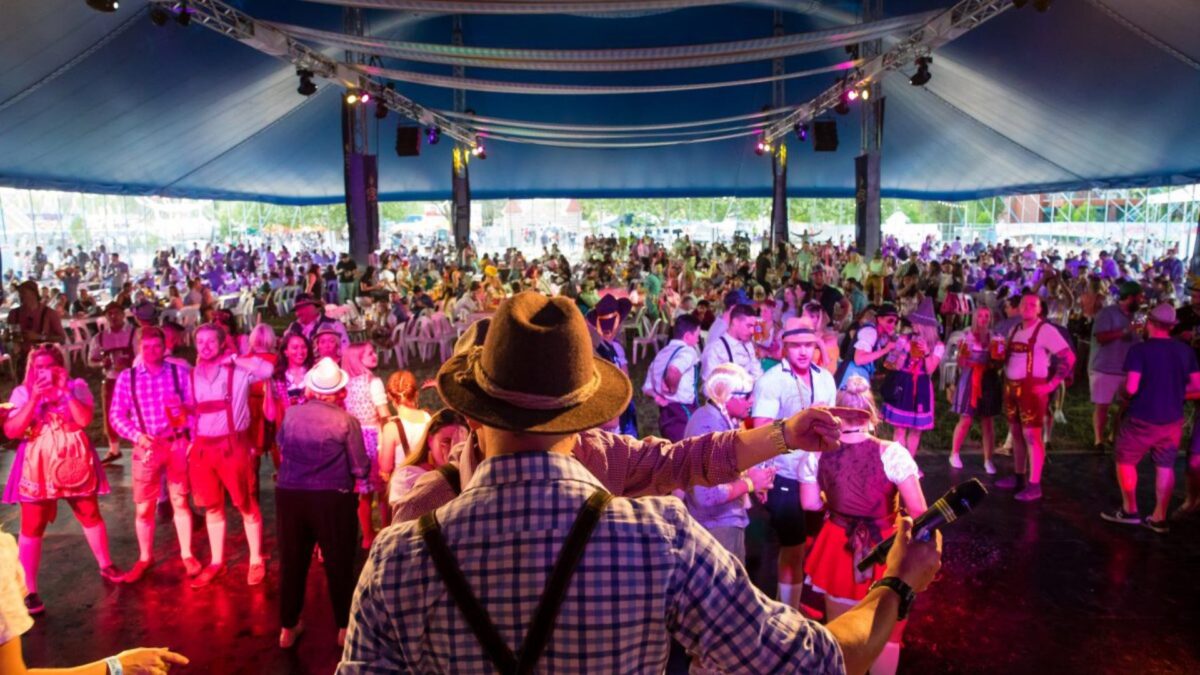
Running a successful Oktoberfest, Christkindlmarkt, or Maifest doesn’t happen overnight. It takes months of planning, and at the center of it all are event organizers who handle every detail—from food vendors and ticket sales to decorations and performances.
Many of these organizers are long-time club members who take pride in running smooth, welcoming events. They also mentor younger members, passing on knowledge so future generations can continue the work.
Without these behind-the-scenes heroes, the events that draw crowds and celebrate culture wouldn’t exist.
The Costume Makers and Cultural Historians
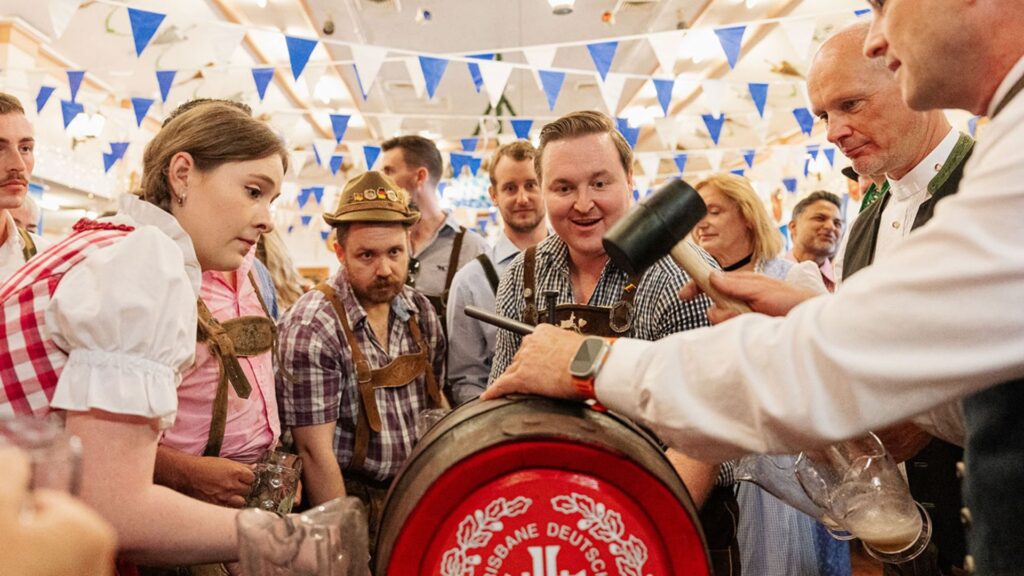
Traditional clothing like lederhosen and dirndls are not just for show—they are symbols of regional identity and pride. Many clubs have members who specialize in making and maintaining these garments. They sew, repair, and explain the meaning behind different styles and patterns.
Alongside them are club historians—members who collect and share stories, photos, and documents from the club’s past. Some even create displays or write newsletters to keep members informed and connected to their shared history.
The Youth Mentors
Passing on traditions means involving the next generation. Many clubs have youth coordinators who organize cultural activities, camps, and dance lessons just for kids and teens. These mentors teach through play and creativity, making culture fun and meaningful.
They also serve as role models, showing young people how to take pride in their heritage and take part in the life of the club. As children grow, many become helpers, then leaders—thanks to the steady support of these mentors.
The Elders Who Keep Memory Alive
Every club has elders—those members who have seen the club through decades of change. They may be immigrants who remember life in Germany, or second-generation Americans who grew up speaking German at home. They share stories, sing old songs, and offer wisdom.
These elders are living links to the past. When they speak, younger members listen. Their presence reminds everyone why the traditions matter.
The Heart of the Club
While clubs may have buildings, events, and programs, their real strength lies in the people who bring them to life. The members who give their time and talents to preserve German culture are the heart of every club.
By teaching language, leading dances, cooking meals, sharing stories, and welcoming new faces, these dedicated individuals ensure that German traditions don’t just survive—but thrive.
