
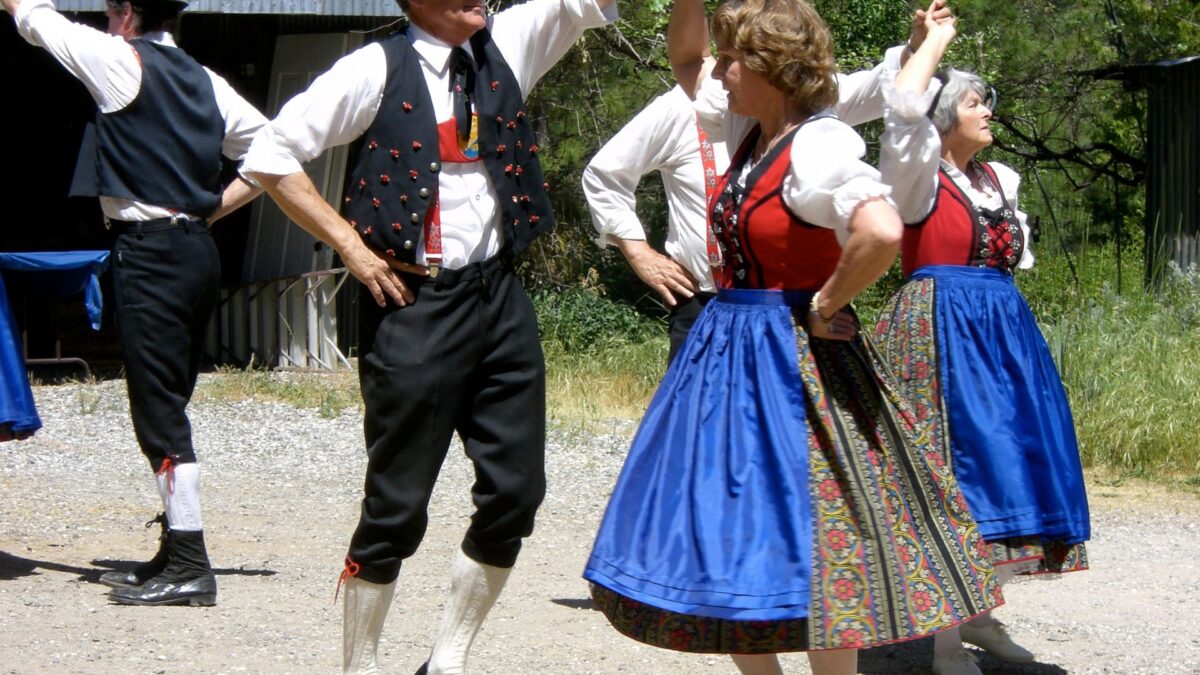
Folk dancing adds color to German American events

In every lively beat and twirling costume, folk dance tells the story of a proud cultural legacy. Across the United States, German American clubs continue to keep these traditions alive through joyful public performances. Whether at festivals, parades, or heritage nights, folk dancing adds color to German American events in a way that both entertains and educates. With its energy, history, and vibrancy, folk dance has become a treasured part of cultural life—inviting participation, fostering unity, and creating lasting memories.

Preserving Tradition Through Movement
German folk dancing is deeply rooted in regional customs passed down through generations. From the Schuhplattler to the Ländler, each dance has a history tied to specific areas of Germany. German American groups rehearse these traditional styles to maintain their authenticity. Performers often wear traditional Bavarian or Alpine attire, adding to the visual richness of the presentation. By preserving these unique forms, clubs ensure cultural continuity. Through every step and spin, the past is kept alive in the present.
A Celebration of Costume and Culture
Costumes play a huge role in the impact of folk dance. Dancers often wear lederhosen, dirndls, and hand-embroidered garments that reflect regional origins. The colorful attire adds authenticity and visual excitement to every performance. When paired with lively music and synchronized movement, these outfits create a festive and immersive atmosphere. Spectators are instantly drawn in by the spectacle. Indeed, folk dancing adds color to German American events, both literally and figuratively, by bringing culture to life in bold, visible ways.
Bridging Generations Through Performance
One of the most beautiful aspects of folk dancing is its ability to connect young and old. Many German American clubs include youth dance groups, where children learn from seasoned members. Parents and grandparents often participate or support behind the scenes. This generational exchange builds strong bonds within families and communities. It also instills cultural pride in younger members. These shared experiences allow heritage to grow, evolve, and remain meaningful across time.
Bringing Communities Together
Folk dance has the power to unite not only German Americans but entire communities. At public events, non-members often stop to watch performances with curiosity and delight. Some clubs invite audience participation or teach simple dances after shows. These interactive moments create shared joy and break down cultural barriers. Music and movement become universal languages. In this way, folk dancing adds color to German American events by transforming them into inclusive, community-building celebrations.
Energizing Festivals with Rhythm and Joy
At major cultural festivals like Oktoberfest or Maifest, folk dance is often a highlight of the entertainment lineup. Crowds gather as performers take the stage to clap, stomp, and spin in unison. The energy is contagious, bringing smiles and excitement to everyone watching. Accompanied by accordion music, brass bands, or traditional yodeling, the dancing creates a full sensory experience. It’s not just a performance—it’s a living tradition. These moments are what make festivals truly memorable.
Evolving While Staying Rooted
While traditional steps remain central, many German American dance groups also innovate. They incorporate new music, collaborate with other cultural dancers, or blend regional styles. This evolution keeps performances fresh and appealing to younger audiences. Social media and digital video have also helped promote these dances to a global audience. As the world changes, these clubs prove that traditions can be both respected and refreshed. They show that dance is not a relic—but a celebration that continues to grow.
Conclusion: A Living Legacy in Every Step
Without a doubt, folk dancing adds color to German American events by energizing celebrations, preserving tradition, and uniting people. Whether you’re clapping along or joining in the dance, it’s easy to feel the joy and pride in each performance. These dances are more than entertainment—they’re expressions of identity, love for heritage, and community spirit. With each swirl of a skirt or stomp of a boot, German American clubs breathe life into history. And that vibrant legacy continues to inspire with every performance.
