
Folk Traditions In German Music

Germany has a long and vibrant musical history, and the folk traditions in German music showcase this heritage beautifully. Across centuries, songs, instruments, and festivals have preserved culture, identity, and stories. Moreover, these traditions continue to influence modern music, connecting past and present. From rural villages to urban stages, German folk music engages communities while sharing its unique sounds with the world.
Regional Folk Music Styles
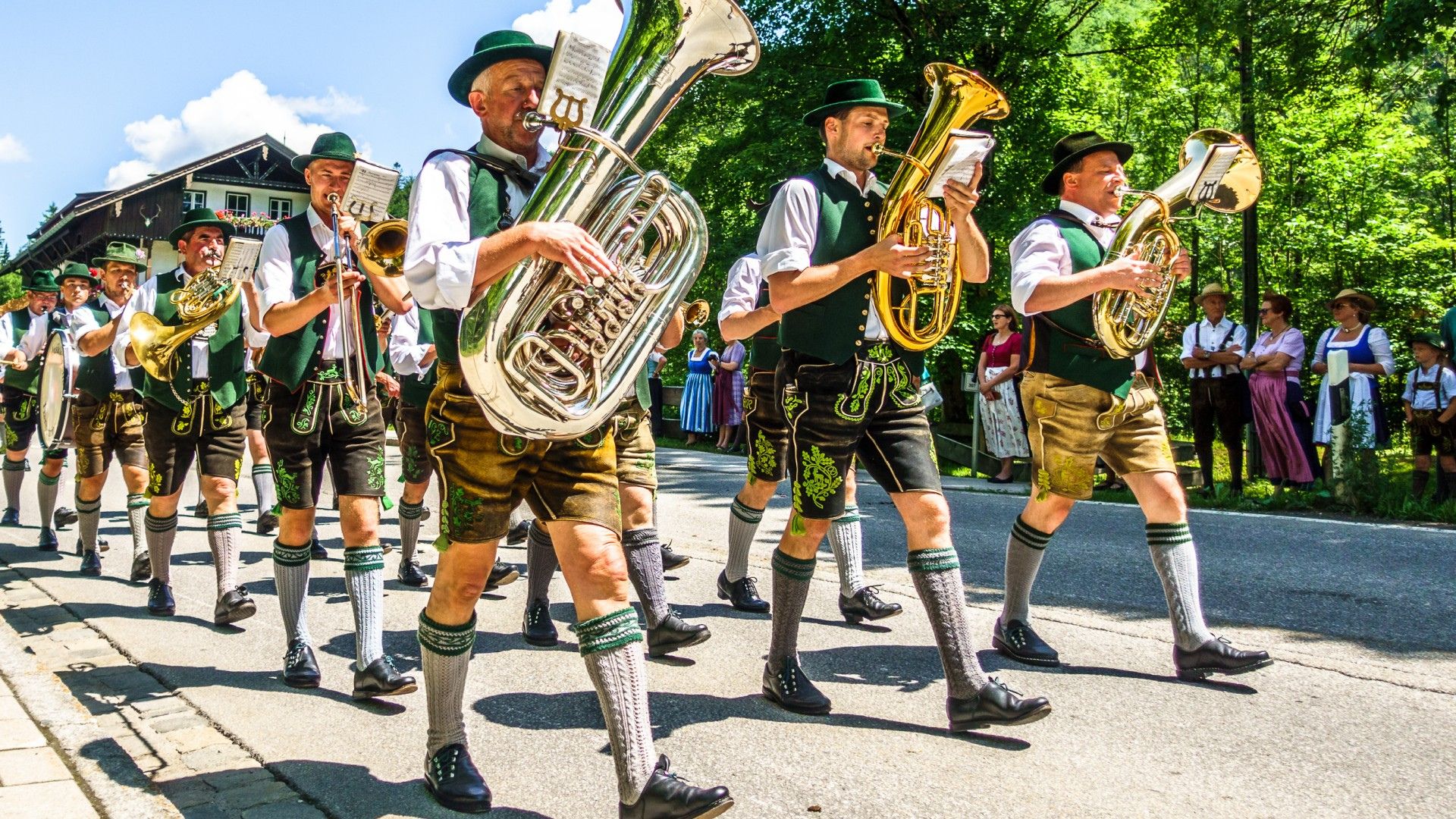
Different regions in Germany offer distinct musical styles. For instance, Bavaria is famous for lively polkas, brass bands, and waltzes. In contrast, northern Germany emphasizes sea shanties and maritime songs. Meanwhile, the Rhineland celebrates rhythmic dances and carnival songs. Consequently, regional diversity ensures that folk traditions in German music remain rich and varied. Furthermore, these differences reflect historical, cultural, and environmental influences that shaped local sounds.
Traditional Instruments and Their Role
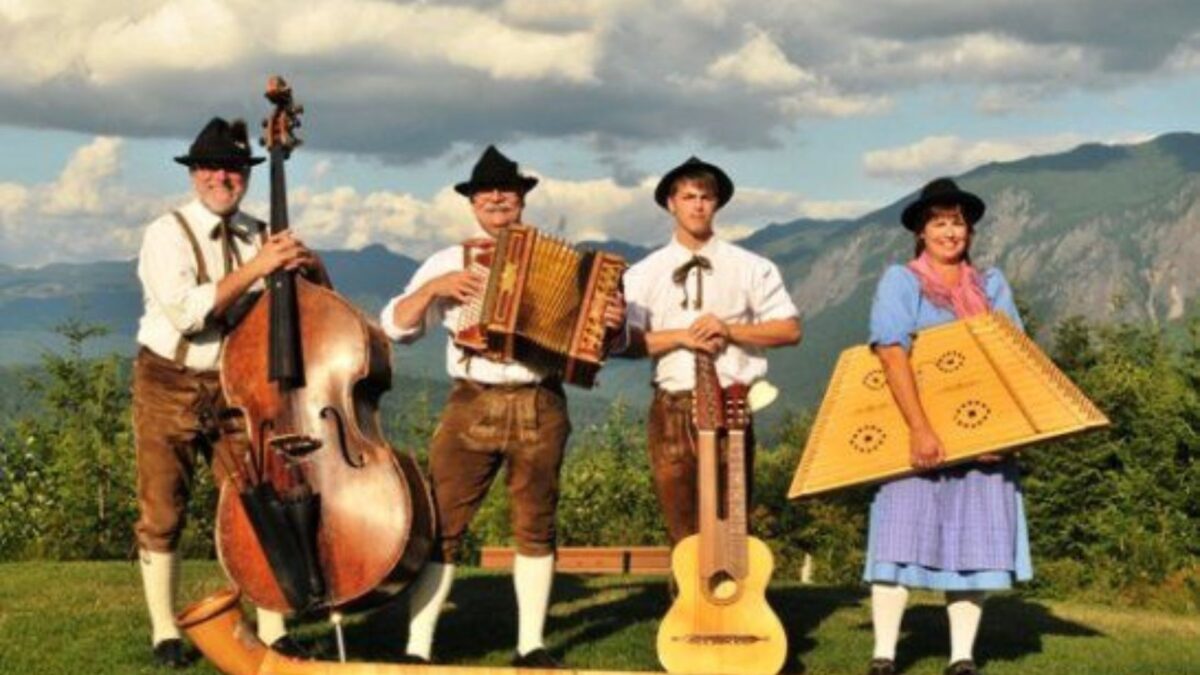
In addition to regional styles, instruments play a critical role in folk music. Popular traditional instruments include:
-
Zither – used mainly in Alpine regions for melodic tunes
-
Accordion – widespread in Bavarian and Swabian music
-
Bagpipes – featured in northern German folk songs
-
Dulcimer – traditional in Saxony and Thuringia
-
Guitar and Fiddle – common throughout Germany
These instruments not only create authentic sounds but also maintain cultural continuity. Moreover, they allow performers to convey emotions, stories, and traditions effectively.
Festivals and Community Celebrations
Festivals are central to preserving German folk music. During Oktoberfest, Fasching, and harvest festivals, communities gather to sing, dance, and perform. Local ensembles, choirs, and bands actively participate, ensuring that folk traditions in German music remain vibrant. Additionally, children and young adults often learn these songs and dances, which strengthens community bonds and ensures the next generation appreciates their heritage. Festivals also provide opportunities for experimentation, allowing modern twists while maintaining traditional elements.
Storytelling Through Folk Songs
Folk songs often tell stories about everyday life, historical events, and nature. Moreover, these songs are educational, passing down knowledge and cultural values. For example, work songs, seasonal tunes, and legends are memorized and performed for both entertainment and learning. Consequently, songs serve a dual purpose: they preserve the past while engaging audiences actively. Furthermore, the lyrical content frequently includes local dialects, adding authenticity and regional identity.
Modern Influence and Preservation
Despite modernization, folk traditions remain relevant. Contemporary musicians integrate traditional melodies into pop, rock, and electronic music. Additionally, cultural institutions, museums, and schools document and teach these traditions. As a result, folk traditions in German music reach wider audiences. Moreover, technology allows recordings, online tutorials, and streaming, which further preserves the heritage. Consequently, the traditions evolve but never lose their original charm.
Instruments, Songs, and Community Impact
Instruments, songs, and festivals work together to create a living musical culture. Moreover, the interplay between community gatherings and performance keeps traditions dynamic. Young musicians actively participate, ensuring continuity. Meanwhile, older generations mentor newcomers, passing down skills and stories. This combination of teaching, performing, and community involvement highlights why folk traditions in German music are more than just melodies—they are a cultural lifeline.
Conclusion
The folk traditions in German music reveal Germany’s rich cultural diversity and historical continuity. Through regional styles, traditional instruments, storytelling, and vibrant festivals, these musical practices preserve identity and community values. Furthermore, modern adaptations ensure that folk music remains relevant while connecting the past with the present. By exploring these traditions, listeners experience not only melodies but also the enduring spirit and heritage of Germany.
