

History of Radio Broadcasting in Germany

Radio broadcasting in Germany has a rich and complex history that spans over a century. From early experimental transmissions to modern digital stations, radio has played a significant role in communication, culture, and politics. Understanding its evolution provides insight into how radio shaped German society and continues to influence media today.
Early Beginnings (1920s)
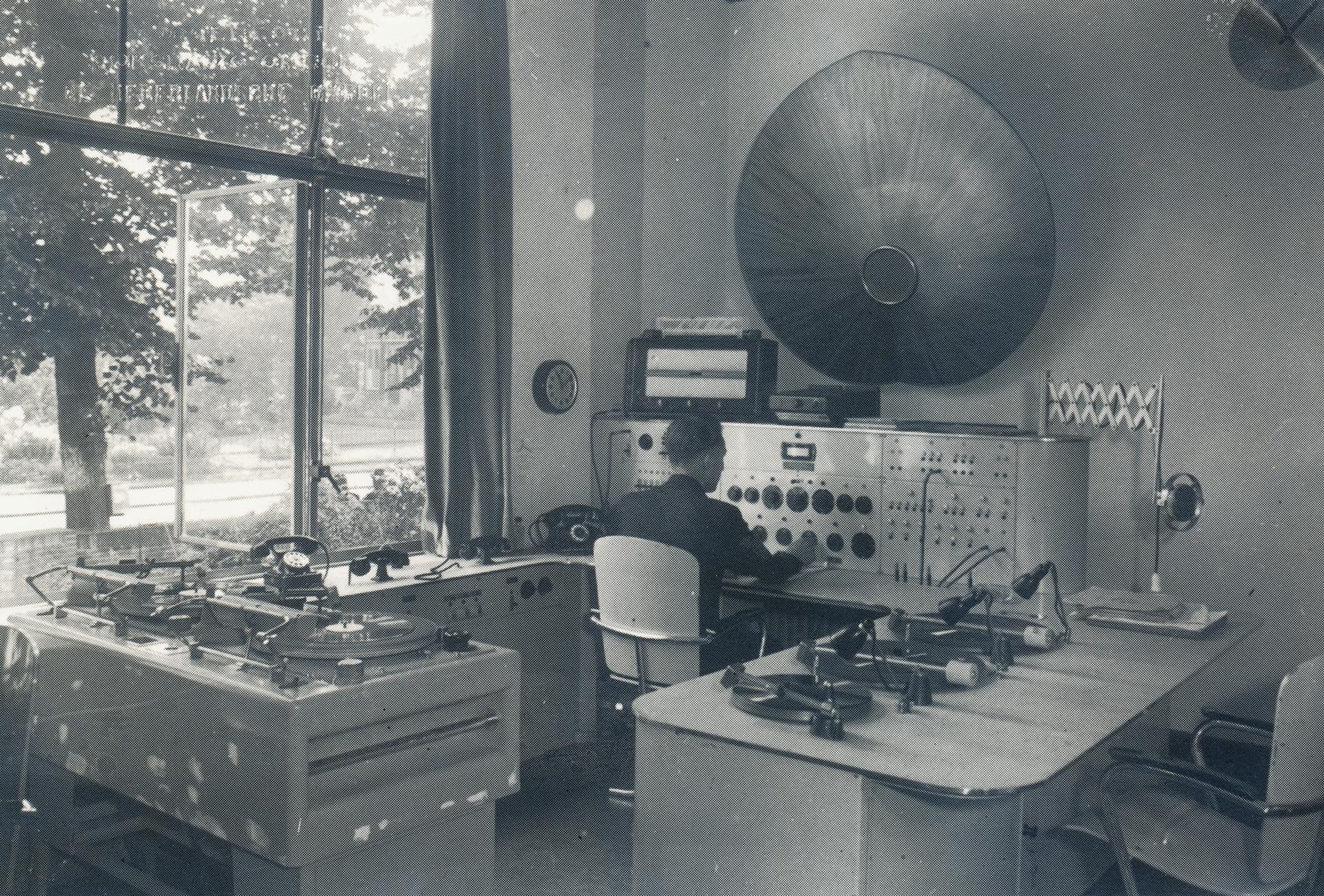
Germany was a pioneer in radio broadcasting during the 1920s. In 1923, the first official public broadcasts began, primarily featuring news, music, and educational programs. At that time, radio was a luxury for many households, but it quickly gained popularity due to its ability to reach wide audiences. Stations like Berliner Funkstunde offered a mix of classical music and spoken word programs, setting the standard for early German radio.
Technological Innovations
During these early years, Germany developed cutting-edge radio technology. Engineers experimented with longwave and mediumwave frequencies, improving sound clarity and range. These advancements allowed radio to spread beyond major cities, making it accessible to people in rural areas for the first time.
Radio During the Nazi Era (1933–1945)
The 1930s marked a turning point for German radio. When the Nazi regime came to power, they recognized radio’s potential as a propaganda tool. The Reichs-Rundfunk-Gesellschaft centralized radio broadcasting, controlling content and ensuring that programs aligned with government messaging.
Volksempfänger (People’s Receiver)
The government introduced the Volksempfänger, a low-cost radio designed to make broadcasts accessible to ordinary citizens. This strategy effectively spread propaganda while keeping the population connected to state-approved news and entertainment.
Impact on Society
During this era, radio shaped public opinion and reinforced the regime’s ideology. Music, news, and speeches were all carefully curated to influence listeners, demonstrating the immense power of radio as a cultural and political tool.
Post-War Rebuilding and Regional Diversity (1945–1960s)
After World War II, radio broadcasting in Germany underwent major restructuring. The country was divided into zones controlled by the Allies, and each zone established its own radio networks.
Emergence of Regional Stations
Regional stations like Norddeutscher Rundfunk (NDR) and Bayerischer Rundfunk (BR) focused on local news, music, and cultural programming. This decentralization encouraged diversity in content and allowed stations to reflect regional traditions and languages.
Rebuilding Public Trust
Radio helped rebuild society by offering educational content, cultural programming, and entertainment that promoted democratic values. It became a trusted source of information and a symbol of post-war recovery.
Expansion and Modernization (1970s–1990s)
During the 1970s and 1980s, commercial radio stations emerged alongside public broadcasters. This period saw an increase in music programming, talk shows, and live events.
FM Broadcasting and Popular Music
The introduction of FM broadcasting improved sound quality, making music more enjoyable. Stations like Radio Hamburg and Antenne Bayern gained popularity by playing contemporary hits, shaping Germany’s pop culture and influencing youth trends.
Integration with Technology
By the 1990s, radio began to integrate with new technologies, including satellite and early internet streaming. This allowed German stations to reach international audiences and cater to diverse listener interests.
Digital Era and Online Radio (2000s–Present)
Today, German radio thrives in both traditional and digital formats. Online streaming, podcasts, and mobile apps have transformed how people consume radio content. Stations now offer on-demand programming, interactive features, and global access, ensuring radio remains relevant in the digital age.
Role in Contemporary Culture
Modern German radio continues to influence music, pop culture, and social discourse. Public stations focus on education, culture, and news, while commercial stations entertain and shape trends. This dual approach maintains radio as a vital medium for millions of listeners.
Conclusion
The history of radio broadcasting in Germany illustrates its evolution from experimental transmissions to a powerful cultural force. Radio has survived wars, political regimes, and technological changes, continually adapting to meet audience needs. Today, it remains an essential medium for music, news, and cultural expression, bridging the past and the present.
