
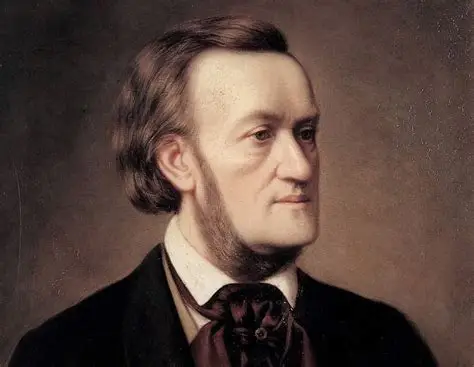
Famous German Composers Who Changed Classical Music

Germany has produced some of the most influential composers in classical music history. Their works shaped Western music, introducing innovative techniques and emotional depth that continue to inspire musicians and audiences worldwide. Exploring these composers reveals the legacy of German music and its profound impact on culture.
Johann Sebastian Bach (1685–1750)
Bach is widely regarded as one of the greatest composers of all time. His mastery of harmony, counterpoint, and musical structure set new standards in composition.
Key Contributions
-
Composed masterpieces for organ, choir, and orchestra, including The Well-Tempered Clavier and Mass in B Minor
-
Developed complex fugues and intricate harmonic progressions
-
Influenced subsequent composers such as Mozart, Beethoven, and Brahms
Bach’s music continues to be studied and performed worldwide, highlighting his enduring legacy.
Ludwig van Beethoven (1770–1827)
Beethoven bridged the Classical and Romantic eras, introducing expressive intensity and innovative structures. His compositions expanded the scope and emotional range of symphonies, sonatas, and concertos.
Key Contributions
-
Revolutionized symphonic music with works like Symphony No. 9 and Symphony No. 5
-
Elevated piano sonatas to dramatic and expressive heights
-
Explored themes of struggle, triumph, and human emotion in music
Beethoven’s influence transformed classical music, paving the way for Romantic composers.
Johannes Brahms (1833–1897)
Brahms combined traditional forms with emotional depth and structural innovation. He respected classical traditions while adding complexity and rich textures to his compositions.
Key Contributions
-
Composed symphonies, concertos, and choral works with meticulous craftsmanship
-
Blended folk melodies with classical structures in compositions like Hungarian Dances
-
Mastered orchestration and thematic development
Brahms’ music bridged the gap between classical discipline and Romantic expressiveness.
Richard Wagner (1813–1883)
Wagner transformed opera through his concept of the Gesamtkunstwerk (total work of art), integrating music, drama, and visual elements. His operas introduced innovative harmonic language and leitmotifs.
Key Contributions
-
Created epic operas such as The Ring Cycle and Tristan und Isolde
-
Pioneered the use of recurring musical themes (leitmotifs)
-
Expanded the size and scope of orchestras in opera
Wagner’s approach influenced opera and film music, leaving a lasting mark on performance arts.

Felix Mendelssohn (1809–1847)
Mendelssohn revitalized classical traditions while introducing lyrical melodies and Romantic expressiveness. He also contributed to the preservation and performance of earlier works.
Key Contributions
-
Composed orchestral, choral, and chamber music, including A Midsummer Night’s Dream overture
-
Advocated for Bach’s music, ensuring its continued legacy
-
Balanced structure and emotion in Romantic compositions
Mendelssohn’s work bridged classical clarity and Romantic lyricism.
Conclusion
German composers such as Bach, Beethoven, Brahms, Wagner, and Mendelssohn profoundly shaped classical music. Their innovations in harmony, orchestration, and musical expression set new standards and influenced generations of musicians. Exploring their contributions highlights Germany’s enduring legacy in classical music and its global cultural impact.
