History of German American Societies in the U.S.

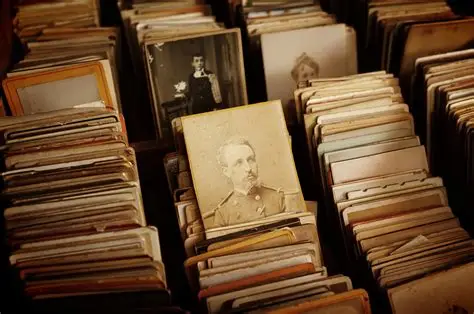
German American societies have a long and influential history in the United States. They were established to help immigrants preserve their culture, language, and traditions while integrating into American society. Over the centuries, these societies have played a key role in promoting cultural exchange, education, and community cohesion.
Early German Immigration
German immigration to the U.S. began in significant numbers during the 17th and 18th centuries. Many settlers arrived in Pennsylvania, New York, and other colonies seeking religious freedom, economic opportunities, and political stability. Early German communities quickly established churches, schools, and social groups to maintain their heritage. These early efforts laid the groundwork for formal German American societies.
Formation of Societies in the 19th Century
During the 19th century, waves of German immigrants arrived in the U.S., especially following political unrest in Europe. As the population grew, so did the need for organized support networks. German American societies were formed to assist newcomers with housing, employment, and language skills.
Key Objectives of Early Societies
-
Preserving German language and culture
-
Organizing social events and festivals
-
Supporting charitable causes within the community
-
Providing educational opportunities and vocational training
These societies often centered around cultural clubs, singing societies (Liederkranz), and fraternal organizations, which became pillars of German American life.
Role in Preserving Culture
German American societies played a critical role in maintaining traditions. They hosted celebrations like Oktoberfest, Christmas markets, and Fasching (Carnival), introducing these customs to broader American society. Music, dance, and traditional cuisine were integral parts of these events. As a result, German culture remained vibrant, even as communities assimilated into American life.
Contributions During the 20th Century
In the 20th century, German American societies continued to thrive, despite challenges such as anti-German sentiment during World Wars I and II. They adapted by emphasizing cultural and educational activities rather than political affiliations. Societies organized language classes, lectures, and community events to educate Americans about German culture and history.
Modern Adaptations
-
Offering German language programs for children and adults
-
Partnering with schools, universities, and cultural institutions
-
Hosting music, dance, and culinary workshops
-
Creating online platforms to connect members and promote events
These adaptations helped societies remain relevant in changing times while continuing their mission of cultural preservation.
Impact on American Society
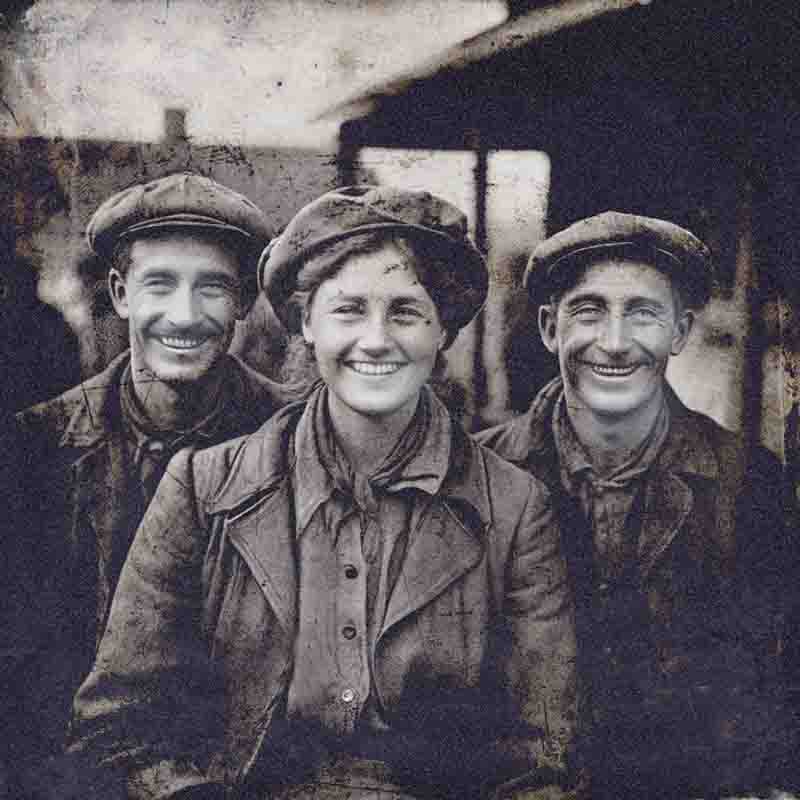
German American societies have left a lasting mark on American culture. They introduced culinary traditions, music, festivals, and community values that have enriched local and national life. Additionally, they fostered intercultural understanding and strengthened connections between Americans of German heritage and the broader population.
Conclusion
The history of German American societies in the U.S. highlights their vital role in preserving heritage and fostering community. From their early formation in the 18th and 19th centuries to modern cultural programs, these societies have ensured that German traditions continue to thrive. Today, they serve as bridges between cultures, celebrating German identity while contributing to the diverse fabric of American society.