

How to Create a German Playlist

Creating a playlist is more than just clicking “add to queue.” It’s an expression of your taste, your mood—and in this case, your interest in German language and culture. Whether you’re learning German, exploring new sounds, or planning the soundtrack for your next trip to Berlin, knowing how to create a German playlist can turn a casual activity into a cultural experience.
Let’s walk through the best ways to build a playlist that’s fun, diverse, and uniquely you.
Why Build a German Playlist?
First, a German playlist introduces you to music you might not find on the radio. From indie rock to techno, schlager to rap, Germany offers a wide range of genres. More importantly, music helps you:
- Learn vocabulary and phrases naturally
- Improve listening skills and pronunciation
- Understand cultural references and expressions
- Discover German artists beyond the global charts
And the best part? You can enjoy it anytime—while driving, studying, working out, or just relaxing.
Step 1: Choose Your Playlist’s Purpose
Before you start adding songs, think about your goal. Are you learning German? Trying to vibe to Berlin club sounds? Exploring German pop culture? Defining your purpose helps shape your playlist.
Some popular themes:
- German for Beginners – simple songs with clear lyrics
- German Party Playlist – upbeat tracks for dancing or driving
- Chill German Vibes – lo-fi, acoustic, or mellow indie tracks
- Classic German Hits – timeless favorites across decades
- German Rap and Hip-Hop – great for modern slang and fast-paced vocabulary
Your playlist can evolve, of course—but having a focus helps you stay inspired.
Step 2: Start with a Core List of Songs
Begin by adding 5–10 songs you already like or want to explore. If you’re not sure where to start, here are a few crowd-pleasers from different genres:
- Pop: “Auf uns” – Andreas Bourani
- Rap: “Standard” – KitschKrieg ft. Trettmann
- Rock: “Durch den Monsun” – Tokio Hotel
- Indie: “Barfuß am Klavier” – AnnenMayKantereit
- Schlager: “Atemlos durch die Nacht” – Helene Fischer
- Techno/Electronic: “Sky and Sand” – Paul Kalkbrenner
Once you add a few songs, platforms like Spotify, YouTube, or Apple Music will start recommending similar tracks to keep your list growing.
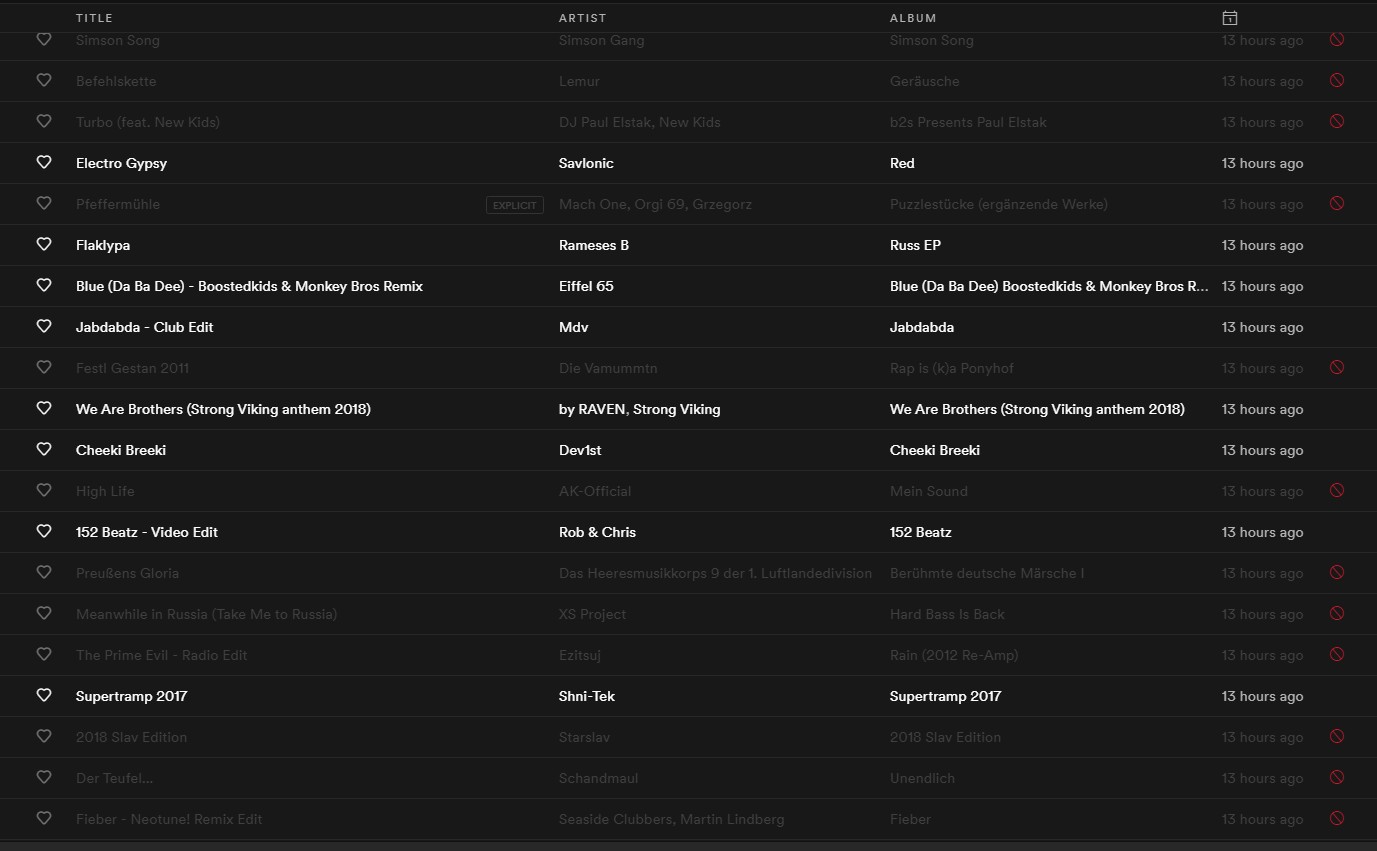
Step 3: Use Tools to Discover New German Music
Finding good German tracks doesn’t have to be a guessing game. Use these strategies to find music that fits your vibe:
- Spotify or Apple Music genres: Search “German Pop,” “Deutschrap,” “Neue Deutsche Welle”
- YouTube channels: Explore curated playlists or artist interviews
- Shazam: Hear a German song you like? Use Shazam to save and add it instantly
- Music blogs and charts: Check German music charts (e.g., Offizielle Deutsche Charts) or blogs like Tonspion
You can also follow German radio stations online (like 1LIVE, Deutschlandfunk Nova, or Radio Fritz) to hear what’s trending.
Step 4: Balance Familiar and New Sounds
To keep your playlist engaging, mix well-known hits with lesser-known gems. Too many unfamiliar tracks may feel overwhelming, but sprinkling in surprises keeps it fresh.
Try this structure:
- Start with 1–2 familiar or upbeat songs
- Add a slower or more emotional track
- Include a song from a genre you usually skip (to challenge your taste)
- End with a feel-good or high-energy song to leave a strong impression
This mix keeps you engaged and helps you explore the wide range of German musical styles.
Step 5: Add Lyrics and Translations (Optional but Powerful)
To deepen your connection to the music—especially if you’re learning German—add lyrics or translations to your playlist experience.
You can:
- Look up lyrics on Genius.com or Lyricstraining
- Create flashcards with song lines and vocabulary
- Sing along to build pronunciation skills
- Translate your favorite chorus for fun and understanding
Learning a language through music is both effective and enjoyable. It makes repetition feel natural—and far less boring than flashcards.
Step 6: Share and Update Regularly
Your German playlist doesn’t have to be a solo project. Share it with friends, fellow learners, or on social media. You might even get recommendations in return.
Make it a habit to update your playlist every week or two. Remove songs you’ve overplayed and add new ones you’ve discovered. This keeps the playlist fresh and makes it something you look forward to listening to.
Bonus Tip: Match Your Playlist to Life Moments
Make multiple German playlists for different moods or moments:
- Morning German Coffee Vibes
- Study & Chill with German Acoustic
- German Workout Power Tracks
- Road Trip durch Deutschland
- German Love Songs
Music becomes more personal—and more powerful—when it matches your lifestyle.
Conclusion: Make Music Your Daily German Companion
Now that you know how to create a German playlist, it’s time to start listening with purpose. Whether you want to learn, relax, or dance, music gives you access to language and culture in a fun, natural way. With a few smart choices and regular updates, your playlist becomes more than just a music list—it becomes a gateway to Germany itself.
