
Traditional Folk Music from Germany

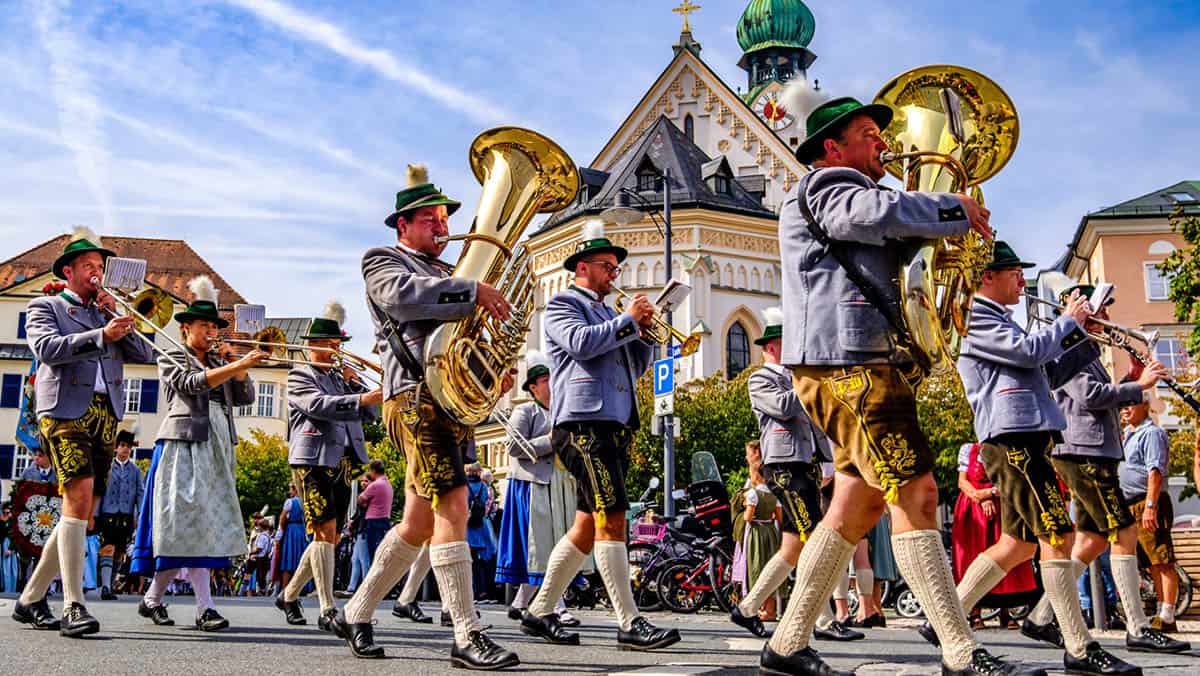
Germany’s traditional folk music, or Volksmusik, is a rich reflection of the country’s history, culture, and regional diversity. From lively dances to heartfelt ballads, folk music has been passed down through generations, preserving stories, traditions, and values. Moreover, it showcases the unique characteristics of different regions, including Bavaria, the Black Forest, and Saxony. By exploring German folk music, you can experience the nation’s heritage and gain insight into its vibrant communities.
The Roots of German Folk Music
German folk music has deep roots in rural life and communal celebrations. Historically, it served as entertainment during festivals, weddings, and seasonal events. In addition, folk songs often carried moral lessons, historical stories, or tales of love and hardship.
Early Influences
-
Medieval minstrels and traveling musicians
-
Religious hymns and choral traditions
-
Regional storytelling and oral history
Consequently, German folk music became an integral part of community life, combining melody, rhythm, and narrative to preserve cultural identity.
Regional Styles and Traditions
Germany’s folk music varies widely depending on the region. Each area contributes unique instruments, melodies, and performance styles.
Bavarian Volksmusik
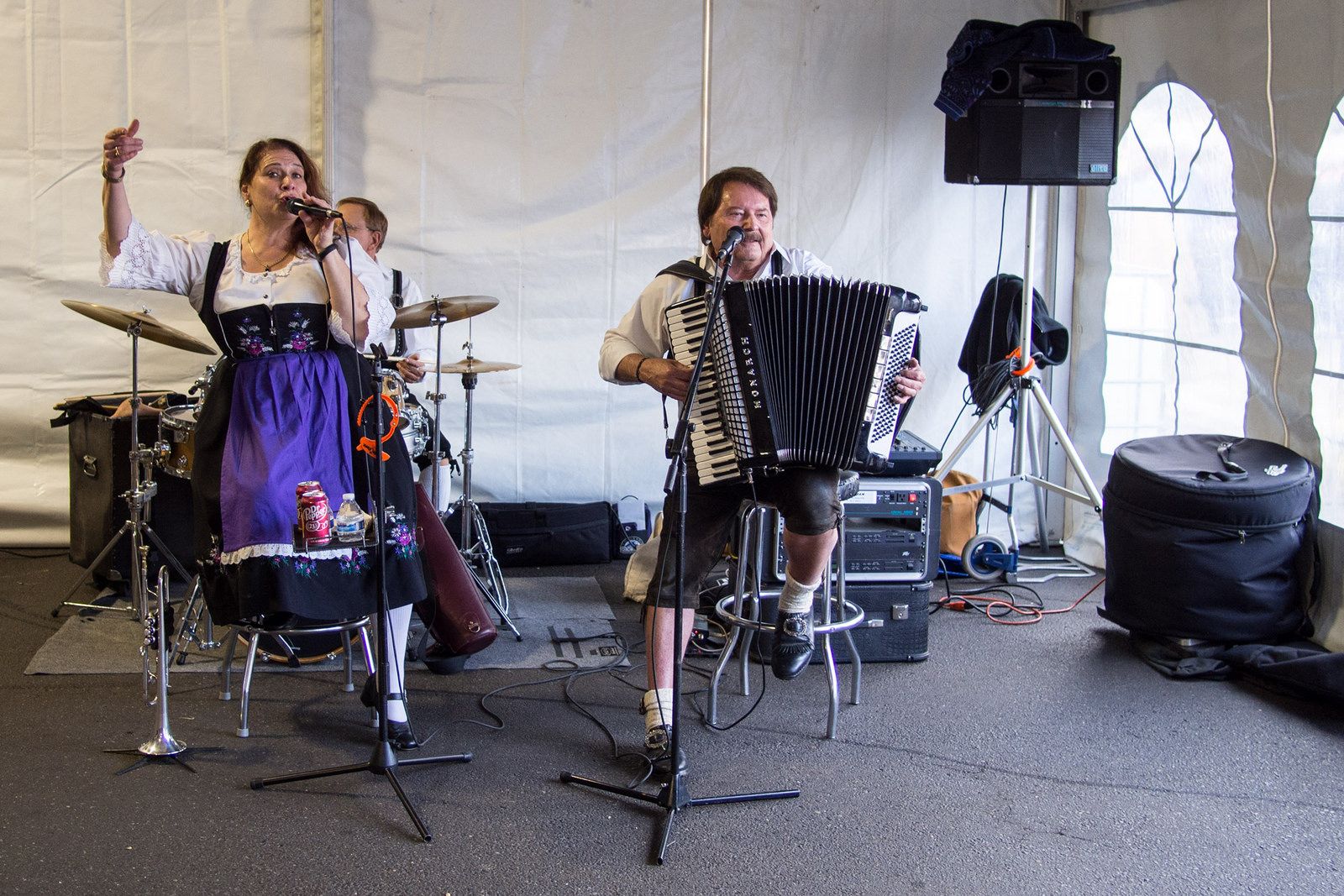
Bavaria is renowned for its lively polkas, waltzes, and traditional dances. Instruments commonly include the accordion, zither, and alphorn.
-
Popular songs often played at Oktoberfest
-
Energetic rhythms encourage communal dancing
-
Lyrics celebrate local life, nature, and traditions
Moreover, Bavarian folk music emphasizes joy, community, and celebration, making it recognizable and widely loved.
Black Forest and Swabian Folk Music
The Black Forest and Swabian regions focus on melodic storytelling, often featuring woodwind instruments like the clarinet and flute, accompanied by guitar or zither.
-
Songs often narrate legends, love stories, and historical events
-
Slower tempos create a reflective, emotional atmosphere
-
Music often performed at local festivals and cultural events
Consequently, this style preserves regional identity while offering listeners an intimate glimpse into local life.
Saxony and Thuringia Traditions
In eastern Germany, folk music emphasizes choral singing and brass instruments. The hurdy-gurdy and fiddle are also commonly used.
-
Strong influence of dance music and religious traditions
-
Community choirs often perform at seasonal celebrations
-
Songs highlight local customs, harvests, and folklore
Additionally, these regions showcase how folk music can blend social and religious traditions seamlessly.
Instruments of German Folk Music
Traditional instruments are central to the folk music experience. Each instrument contributes a distinct sound that defines the regional style.
-
Accordion: Adds lively, danceable melodies
-
Zither: Common in southern Germany, providing harmonic depth
-
Alphorn: Iconic in Bavaria and Alpine regions for outdoor performances
-
Fiddle: A Versatile instrument used in storytelling songs
-
Hurdy-gurdy: Produces rhythmic drone sounds for medieval-inspired tunes
Furthermore, percussion instruments like drums and tambourines often enhance rhythm and create festive energy during performances.
The Role of Folk Music Today
While modern music dominates popular culture, German folk music remains an important cultural tradition. Festivals, folk clubs, and educational programs help preserve these songs for new generations.
Modern Adaptations
-
Folk-inspired pop and rock bands integrate traditional instruments
-
Recordings and online platforms make regional songs accessible worldwide
-
Festivals like Oktoberfest and Cannstatter Volksfest celebrate folk music annually
Moreover, folk music continues to influence contemporary German artists, blending the old with the new to create unique sounds.
Conclusion
Traditional German folk music is more than just entertainment—it is a cultural treasure that reflects the history, values, and regional diversity of Germany. From Bavarian polkas to Black Forest ballads and Saxon choral traditions, each style offers a unique listening experience.
By exploring instruments, regional styles, and historical roots, you can gain a deeper appreciation for Germany’s musical heritage. Furthermore, folk music connects communities, preserves traditions, and continues to inspire contemporary artists. Therefore, whether you are attending a festival, listening online, or studying German culture, traditional German folk music remains a timeless and enriching experience.
