
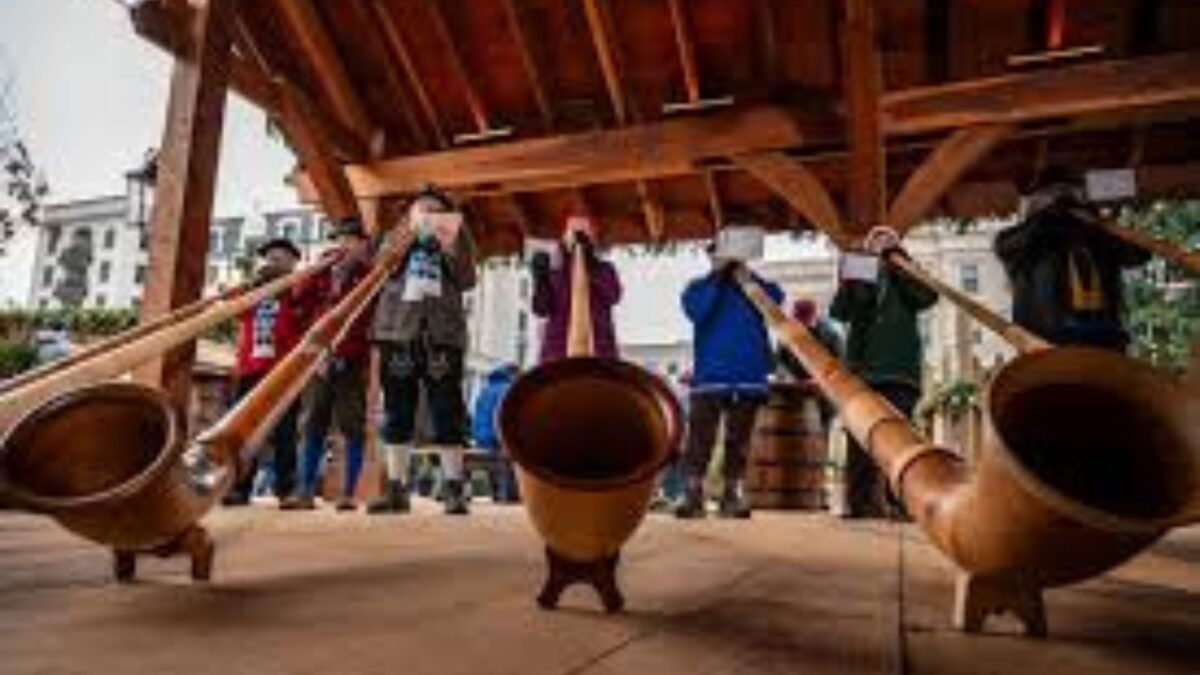
German American clubs preserve old traditions in new ways

German American clubs have long stood as guardians of culture, keeping customs alive across generations. But in today’s fast-changing world, these clubs are doing more than just honoring the past—they’re adapting to the present. From digital outreach to modern event planning, German American clubs preserve old traditions in new ways, blending heritage with innovation. This balance keeps their culture vibrant, relevant, and welcoming to new members.
Honoring Cultural Roots Through Celebrations
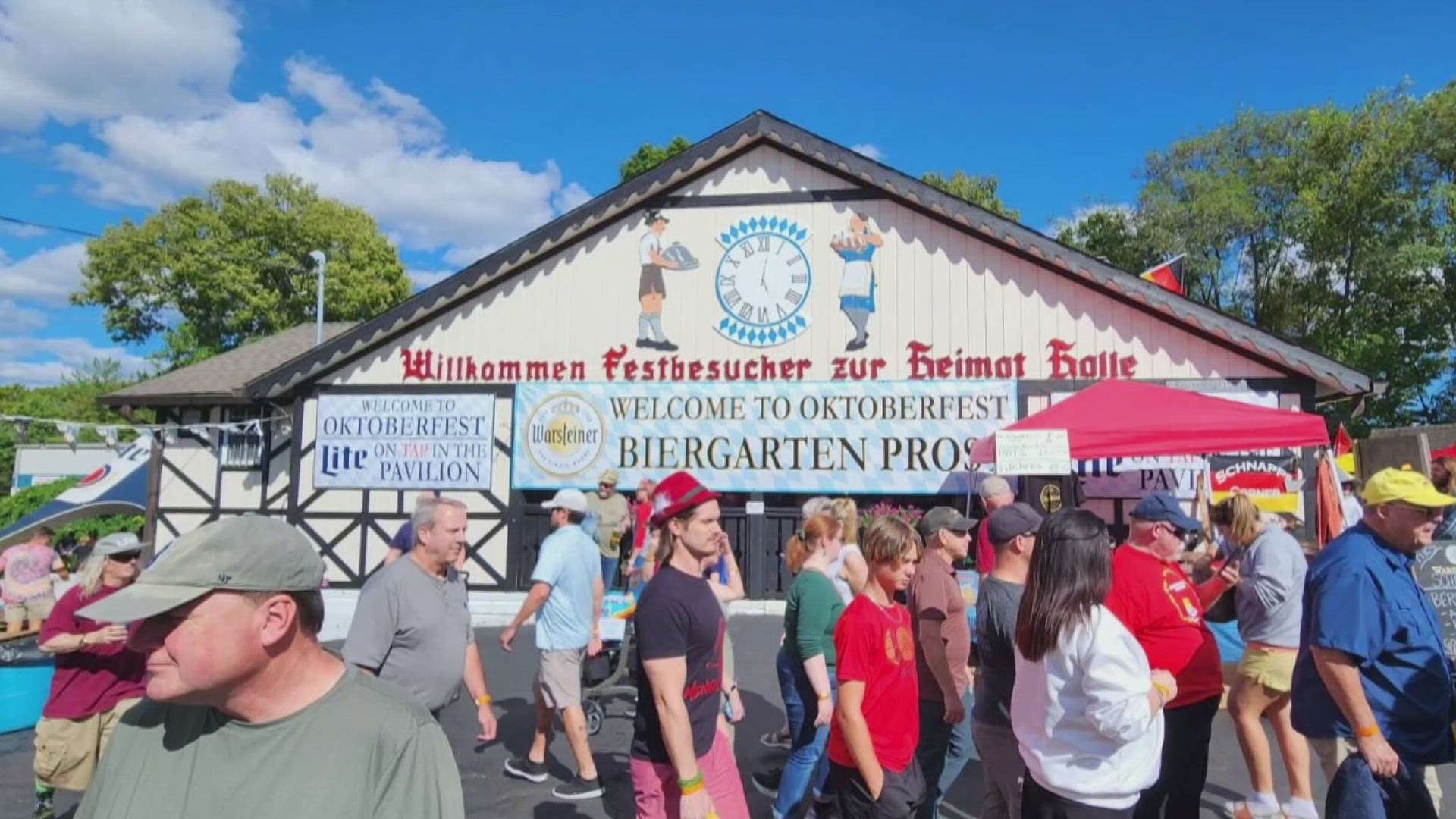
Traditional festivals remain a cornerstone of German American club life. Events like Oktoberfest, Maifest, and Christkindlmarkt continue to draw large crowds each year. These festivals showcase folk music, Bavarian costumes, and classic dishes like bratwurst and sauerkraut. Yet behind the scenes, many clubs have modernized how they organize and promote these events. Online ticketing, mobile apps, and live-streamed performances now reach wider audiences. This thoughtful blending of old and new helps sustain tradition while engaging a modern crowd.
Teaching Language in Modern Classrooms
Language is one of the most powerful links to heritage. German American clubs have long offered classes to teach German, both to children and adults. However, many now incorporate digital tools like Zoom sessions, language learning apps, and online resources. These methods make learning more flexible and accessible. Additionally, clubs often host bilingual story hours, book clubs, and conversation nights. Through these updated programs, they ensure that the German language remains a living part of the community.
Passing Down Craftsmanship with a Twist
Folk arts like woodcarving, embroidery, and beer brewing have deep roots in German culture. Clubs continue to host workshops that teach these skills, but they also invite younger members to reinterpret them. For example, traditional designs may appear in modern fashion or digital artwork. Some clubs even host maker fairs or collaborate with local artisans. This creative evolution shows how German American clubs preserve old traditions in new ways, encouraging both preservation and innovation.
Using Technology to Build Community
Today’s German American clubs are embracing digital platforms to stay connected. Many have active social media pages where they post photos, promote events, and share historical content. Others use email newsletters and websites to engage members beyond in-person meetings. Virtual reunions and club history projects help connect members who live far apart. These tools expand the reach of the community, making cultural preservation more accessible in the digital age.
Fostering Inclusion and Diversity
Traditionally rooted in German ancestry, many clubs now actively welcome members from diverse backgrounds. By creating inclusive spaces, they share traditions more broadly and enrich their communities. Clubs often host multicultural nights, joint festivals with other heritage groups, or open-house events. These efforts introduce German customs to new audiences while creating a sense of belonging for all. In this way, tradition becomes a bridge, not a boundary—one more way German American clubs are evolving.
Preparing the Next Generation
Youth involvement is crucial for cultural sustainability. German American clubs run youth programs, dance groups, internships, and student exchanges with Germany. However, they also understand that today’s young people value hands-on, modern experiences. Many clubs include digital storytelling projects, Instagram takeovers, or leadership workshops. By giving young members a voice and a role, clubs ensure that tradition isn’t just remembered—it’s carried forward. This hands-on engagement ensures that traditions adapt while remaining meaningful.
Conclusion: Tradition Meets Tomorrow
In every event, class, and conversation, we see how German American clubs preserve old traditions in new ways. These organizations respect their heritage deeply but aren’t afraid to embrace the future. Whether through technology, inclusive programming, or creative reinterpretation, they keep culture alive and thriving. The result is a dynamic, welcoming community where history inspires progress. And in today’s fast-moving world, that balance is more valuable than ever.
