
German Heritage Parades and Celebrations

German heritage parades and celebrations are vibrant displays of culture and tradition in communities across the United States. These events highlight German music, dance, costumes, and food while fostering a sense of community and cultural pride. Attending or participating in these celebrations provides a lively way to experience German heritage firsthand.
Traditional Parades
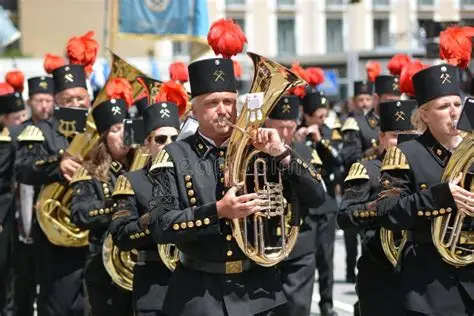
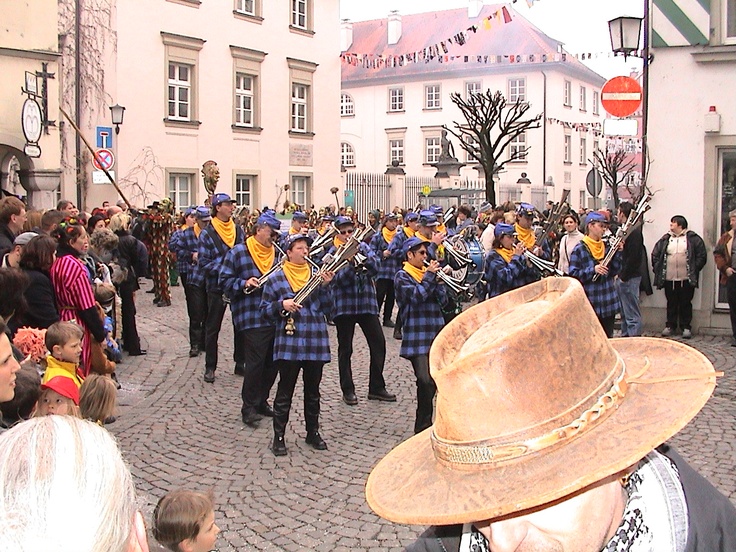
Parades are a central feature of many German heritage events. Participants often wear traditional German attire, including lederhosen for men and dirndls for women, creating a colorful and festive atmosphere. Marching bands, dance troupes, and cultural groups typically perform along parade routes, showcasing German music, choreography, and storytelling.
Key Elements of German Parades
-
Brass bands and polka music performances
-
Folk dance demonstrations and interactive performances
-
Display of cultural symbols, flags, and banners
Parades serve as a public celebration of German identity, drawing large crowds and engaging local communities.
Seasonal Celebrations
German American communities host numerous seasonal celebrations, including Oktoberfest, Fasching (Carnival), and Christmas markets. These events combine parades with food, music, crafts, and family-friendly activities. Attendees enjoy authentic German foods like bratwurst, pretzels, sauerkraut, and strudel, as well as beverages including German-style beers and mulled wine.
Cultural Highlights
-
Festival booths with traditional crafts and souvenirs
-
Music and dance performances throughout the event
-
Activities for children, such as games and workshops
These seasonal celebrations provide an immersive cultural experience that educates attendees about German traditions.
Community and Educational Benefits
German heritage parades and celebrations strengthen community bonds and encourage intergenerational participation. Older members pass down cultural knowledge, music, and dance techniques to younger generations. Additionally, many events include educational components such as historical exhibits, storytelling sessions, and genealogy workshops, promoting cultural literacy.
Benefits to the Broader Community
-
Fosters cultural understanding and appreciation
-
Encourages participation from people of all ages
-
Promotes tourism and local business engagement
Regional Variations
Different regions in the U.S. host unique German heritage events. For example, cities like Milwaukee, Cincinnati, and Fredericksburg hold large-scale festivals with multiple parades, musical performances, and culinary competitions. Smaller towns may focus on local customs, community engagement, and intimate gatherings. Despite variations, the core aim remains the celebration and preservation of German culture.
Conclusion
German heritage parades and celebrations provide lively and educational experiences for communities across the U.S. Through music, dance, traditional attire, food, and educational activities, these events showcase the richness of German culture. Participating in or attending these festivities helps preserve traditions, strengthen community bonds, and promote cultural appreciation for generations to come.
